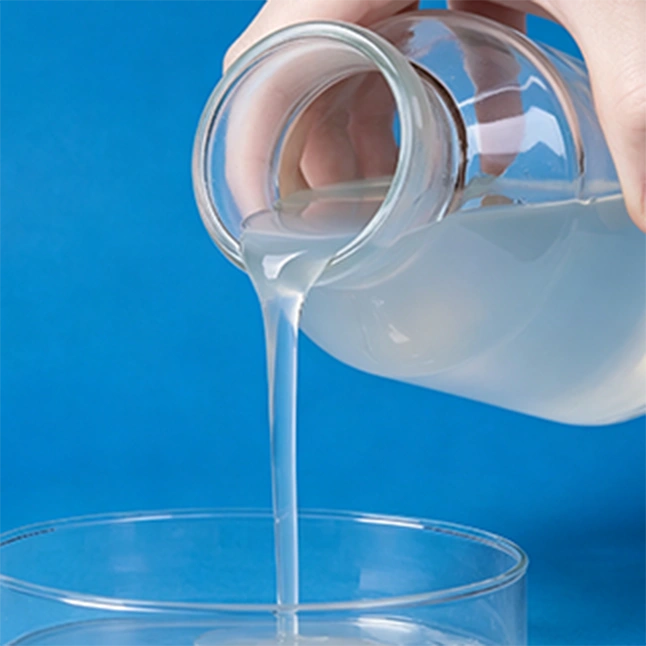


Colloidal silica is an aqueous suspension of silica nanoparticles produced from saturated solutions of silica acid. The particle size is generally between 2 and 100 nm. During manufacturing, its solutions are stabilized against gelation with alkali solutions. Alkaline solutions ionize the nanoparticles so that they repel each other. Gelation that relies on the interaction between particles is induced by weakening these repulsive forces, resulting in the formation of a coherent network of siloxane bonds that bind the soil particles together and restrain the pore fluid. The main factors that influence the transferal of colloidal silica in liquefiable sand are the viscosity of the colloidal silica stabilizer, hydraulic gradient and the hydraulic conductivity of the liquefiable soil. Additionally, the time of formation of the gel is mainly affected by the percentage of silica in the solution, the size of the silica particles, PH value, ionic strength and the temperature of the solution.
It’s used as the cohesive agent for various fireproof materials, has high bonding strength and high heat-resisting performance (1500-1600℃).
It’s used as the cohesive agent for various fireproof materials, has high bonding strength and high heat-resisting performance (1500-1600℃).
It’s used as the cohesive agent for various fireproof materials, has high bonding strength and high heat-resisting performance (1500-1600℃).
It’s used as the cohesive agent for various fireproof materials, has high bonding strength and high heat-resisting performance (1500-1600℃).
Store in a cool, well-ventilated warehouse. Keep away from fire sources and heat. Keep containers sealed to
Store in a cool, well-ventilated warehouse. Keep away from fire sources and heat. Keep containers sealed to
Store in a cool, well-ventilated warehouse. Keep away from fire sources and heat. Keep containers sealed to
Store in a cool, well-ventilated warehouse. Keep away from fire sources and heat. Keep containers sealed to
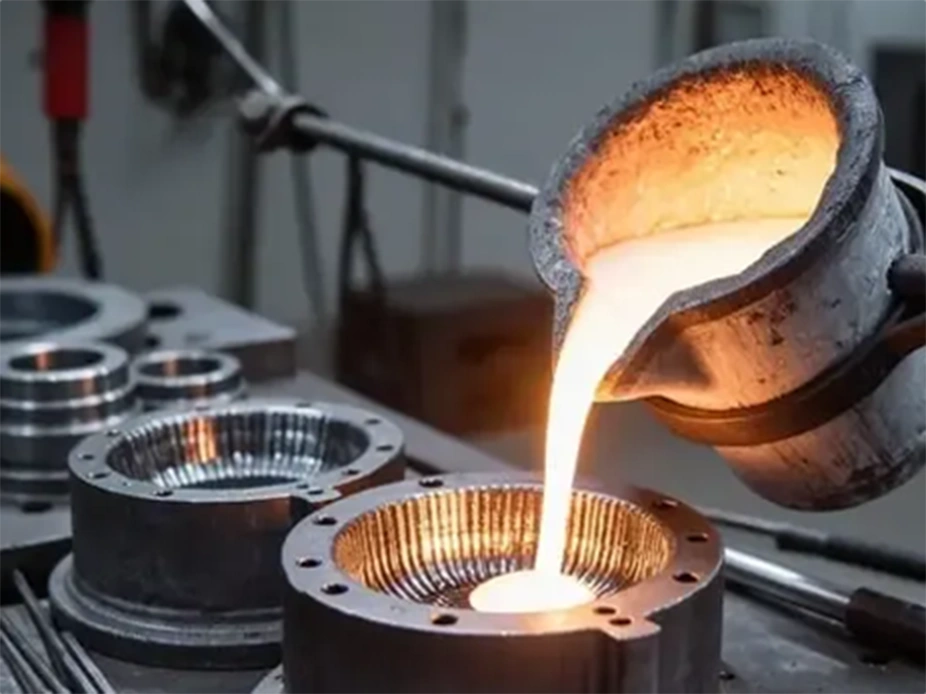
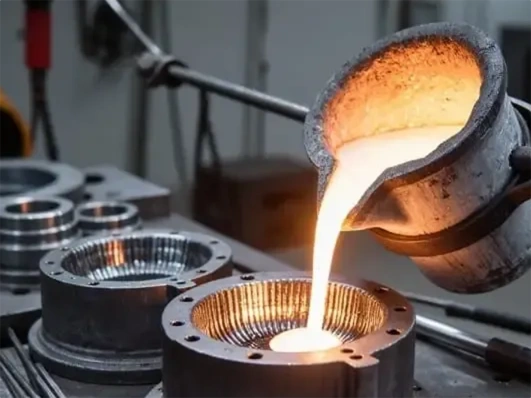
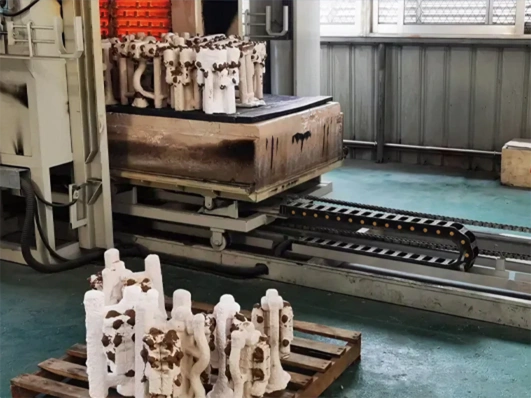
Completed shell assemblies are placed in steam or hot water to melt and remove internal wax patterns, creating hollow cavities.
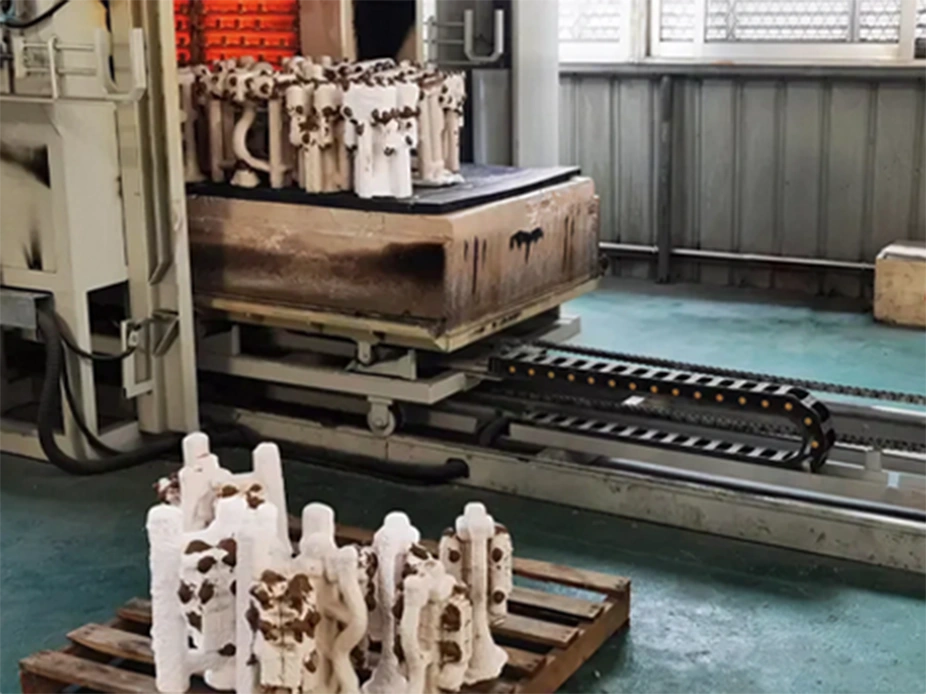
Dewaxed shells are fired in high-temperature furnaces (typically 800°C-1100°C) to thoroughly eliminate residues and enhance high-temperature strength and dimensional stability.
| parameter | parameter | parameter |
| parameter | parameter | parameter |
| parameter | parameter | parameter |
| parameter | parameter | parameter |
25kg / drum
25kg / drum
25kg / drum

46666666666666666666666666
222222222222222222
If you have any questions, concerns, or need assistance, please feel free to contact us via phone, email, or online customer service at any time, and we will provide you with support and answers as soon as possible.
 ATHY CHEMICAL